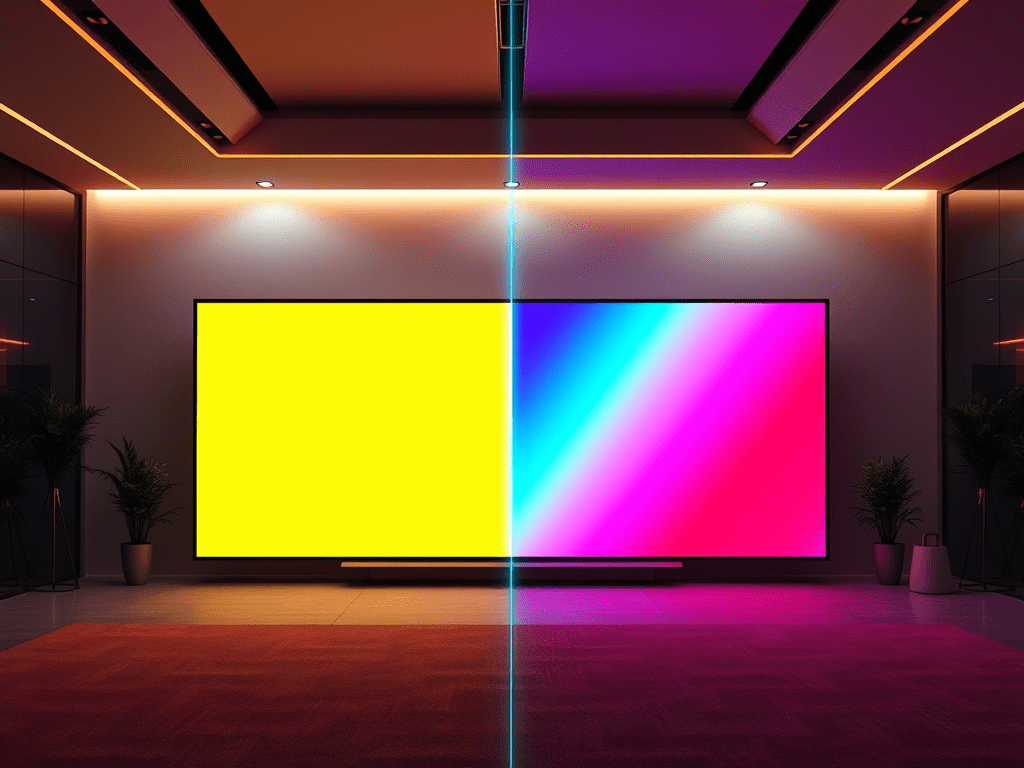
Focus Keywords: KSF phosphor LEDs. Conventional phosphor LEDs. LED technology comparison. High color gamut displays. LED efficiency.
Meta Description: Discover the critical differences between KSF phosphor LEDs and conventional LEDs. Compare color performance, thermal stability, costs, and applications to choose the right solution for displays or lighting.
Why Are KSF Phosphor LEDs Revolutionizing Display Technology?
With 4K/8K displays and precision lighting demanding unprecedented color accuracy, KSF phosphor LEDs (K₂SiF₆:Mn⁴⁺) are emerging as game-changers. This guide compares both technologies across 7 critical parameters, helping engineers, designers, and buyers make informed decisions.
5 Game-Changing Advantages of KSF Phosphor LEDs
- Cinematic Color Performance
KSF’s ultra-narrow emission spectrum (FWHM <2nm vs YAG’s 120nm) achieves 95% NTSC coverage. This is ideal for Mini-LED TVs and gaming monitors. It’s also perfect for medical imaging displays requiring true reds (R9 >90). - Rare Earth-Free & High Efficiency
- 20% higher luminous efficacy (180 lm/W vs 150 lm/W conventional)
- Eliminates dependence on scarce rare-earth elements (e.g., Ce³+), reducing material costs by 15-30%
- Zero Green Light Reabsorption
Unlike YAG phosphors, KSF’s excitation spectrum avoids green wavelength absorption. This reduces light loss by 35% in multi-phosphor configurations.
3 Critical Challenges Holding Back KSF Adoption
While promising, KSF faces hurdles:
⚠️ Thermal Quenching: 15% brightness loss per 1,000h at >80°C (vs <5% for YAG)
⚠️ Nano-Synthesis Complexity: Sub-20nm particle production yields <60%, raising costs
⚠️ Moisture Sensitivity: Requires hermetic encapsulation (+20% packaging cost)
Why Conventional Phosphor LEDs Still Dominate
3 Pillars of Market Leadership
- Proven Reliability
YAG:Ce³+ maintains 98% brightness stability from -40°C to 150°C with >50,000h lifespan – perfect for streetlights/industrial lighting. - Cost-Efficiency
Mature processes enable 0.02/unitpricing(vsKSF’s0.02/unitpricing(vsKSF’s0.05), ideal for budget-sensitive consumer lighting. - Broad Spectrum Flexibility
Adjusting Ce³+ concentration allows 2700K-6500K tuning, covering basic display and general lighting needs.
Decision Framework: 4 Steps to Choose the Right LED
1️⃣ Prioritize Requirements:
- Color Accuracy > Budget? → KSF (studio monitors, surgical lights)
- Longevity > Peak Performance? → Conventional (warehouse/outdoor lighting)
2️⃣ Thermal Management:
Passive cooling? → Avoid KSF; Active cooling? → KSF viable
3️⃣ Regulatory Compliance:
KSF’s REACH/RoHS compliance benefits EU exports
Market Outlook: 2024-2026 Growth Projections
Per LEDinside research:
- KSF costs will drop 40% by 2025 via hydrothermal synthesis breakthroughs
- Conventional LEDs gain 18% efficiency using GaN-on-GaN substrates
- Hybrid systems (KSF+YAG) to capture 33% of premium display market
Actionable Insights:
▸ Designers: Validate KSF’s DCI-P3/Rec.2020 coverage for HDR projects
▸ Manufacturers: Audit suppliers’ MIL-STD-883H thermal cycling test reports
▸ Procurement: Negotiate KSF MOQs >100k units for 15% cost reduction
 INFINILUX
Leave a comment