DW (Dim to Warm) strip light and TW (Tunable White) strip light are two different types of smart lighting products. They have significant differences in functions. There are also differences in application scenarios and user experience. The following is a detailed comparison of these two types of light strips from several aspects:
1. Functional differences
- DW (Dim to Warm) Strip Light The core function of DW strip light is to achieve color temperature change. This is done through dimming. When the brightness of the light decreases, the color temperature gradually transitions from higher white light, such as 3000K. It then changes to lower warm white light, such as 1800K or 2200K. This property mimics the dimming behavior of traditional thermally radiant light sources. Examples include incandescent or halogen lamps. This provides a warm and comfortable atmosphere.
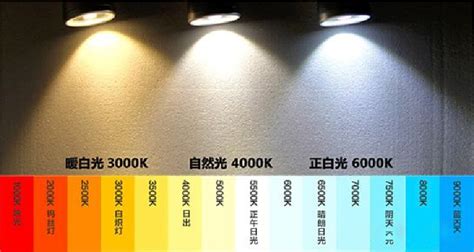
Definition of color temperature of light strip and how to choose the color temperature of light strip_Industry News_
- TW (Tunable White) strip light allows users to manually or automatically adjust the color temperature range of white light. It usually covers the entire range from warm white light (2700K) to cool white light (6500K). This feature simulates changes in natural light and adapts to different event needs or ambiences.
2. Application scenarios
- DW Strip LightDW strip light strip is suitable for scenes that need to create a soft and warm atmosphere. Examples include a bedroom, living room, and dining room. Its dimming properties mimic the gradient effect of traditional luminaires, providing users with a familiar and comfortable lighting experience.
- TW Strip Lights TW strip lights have a wider range of applications. They are suitable for places that need to flexibly adjust the light. Examples include offices, schools, hospitals, and commercial spaces. It can adjust the color temperature and brightness. This adjustment is based on the user’s needs or type of activity. This optimization enhances work and study efficiency.
3. Technical implementation
- DW Strip Lights. DW strip lights achieve the “gradient warm light” effect. They automatically adjust the color temperature when the brightness is reduced. This technique often requires specialized driver support and may not be able to adjust color temperature and brightness independently.
- TW strip light is flexibly adjusted by independently controlling the color temperature and brightness of white light. Users can adjust the color temperature range and brightness level via manual switches. They can also use touch panels or intelligent control systems to meet individual needs.
4. User Experience
- In terms of user experience, DW strip light strip focuses on simulating the dimming effect of traditional light sources. This feature is suitable for users who pursue natural comfort. However, its color temperature adjustment range is limited to a few preset fixed points.
- TW Strip TW strip offers more flexibility and personalization choices. Users can adjust the color temperature and brightness at any time according to their needs. This feature is especially suitable for places that need frequent changes in the light environment. Examples include conference rooms and classrooms.
5. Compatibility and Control Methods
- DW StripsDW strips are usually compatible with specific dimming protocols. Examples include 0-10V or DALI. They need to be used with dimmer switches or controllers. The control method is relatively simple and mainly relies on the dimming function.
- TW strip light supports a variety of control methods, including manual switch, touch panel, DMX or DALI protocol, etc. In addition, some products can be controlled remotely via a smartphone app.
6. Energy efficiency and longevity
- DW Strip Lights DW strip lights usually have high energy efficiency performance due to their dimming characteristics. The LED life is long, generally more than 25,000 hours. However, you need to refer to the specific product specifications for the specific energy efficiency data.
- TW strip light The TW strip also has a long service life and high energy efficiency. Some high-end products also support daylight/occupancy sensors to further enhance energy saving.
conclusion
DW strip light and TW strip light have their own advantages, which product to choose depends on the specific needs of users:
- If users pursue a warm atmosphere that simulates traditional light sources, DW strip light is a better choice.
- If users need to flexibly adjust the light to suit different scenes and activities, TW light strips are more suitable.
Hopefully, the above analysis will help you better understand the differences between these two products and make a suitable choice!
 INFINILUX
Leave a comment