Category: 未分类
-

Light Negative Oxygen Ions Technology (LNOI) combines sunlight and negative oxygen ions to enhance air quality. It effectively purifies, sterilizes, and provides healthy lighting by simulating natural conditions. This technology is safe, versatile, and eco-friendly, used in products like air purifiers and lamps, promoting a healthier living environment.
-
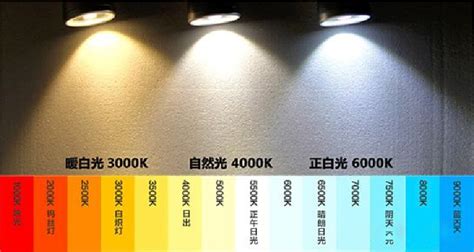
DW (Dim to Warm) strip light and TW (Tunable White) strip light are two different types of smart lighting products. They have significant differences in functions. There are also differences in application scenarios and user experience. The following is a detailed comparison of these two types of light strips from several aspects: 1. Functional differences…
-
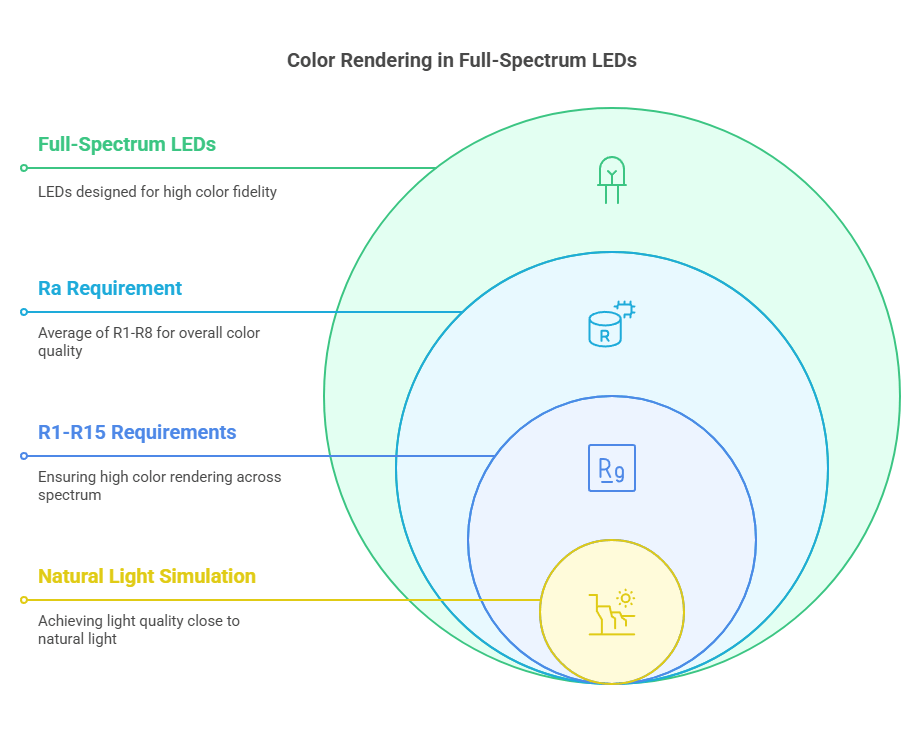
Full-spectrum LED lighting achieves Ra≥95 and R1-R15≥90, delivering natural daylight-like color accuracy for superior visual fidelity and true-to-life color reproduction
-
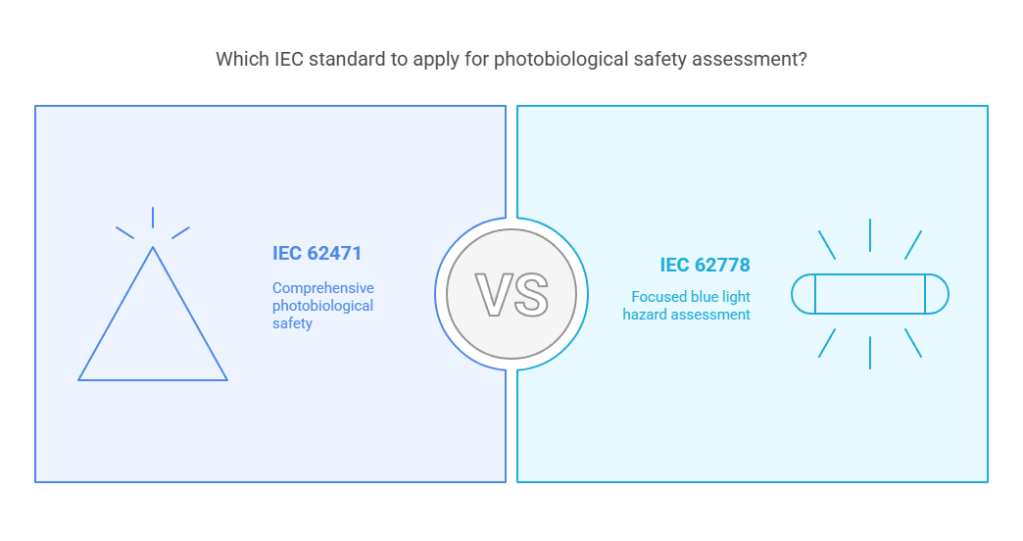
IEC 62471 assesses broad photobiological risks (200-3000nm), including 8 hazard types. IEC 62778 focuses specifically on LED blue light hazards (380-800nm), defining RG safety levels; supplements but doesn’t replace IEC 62471.
-
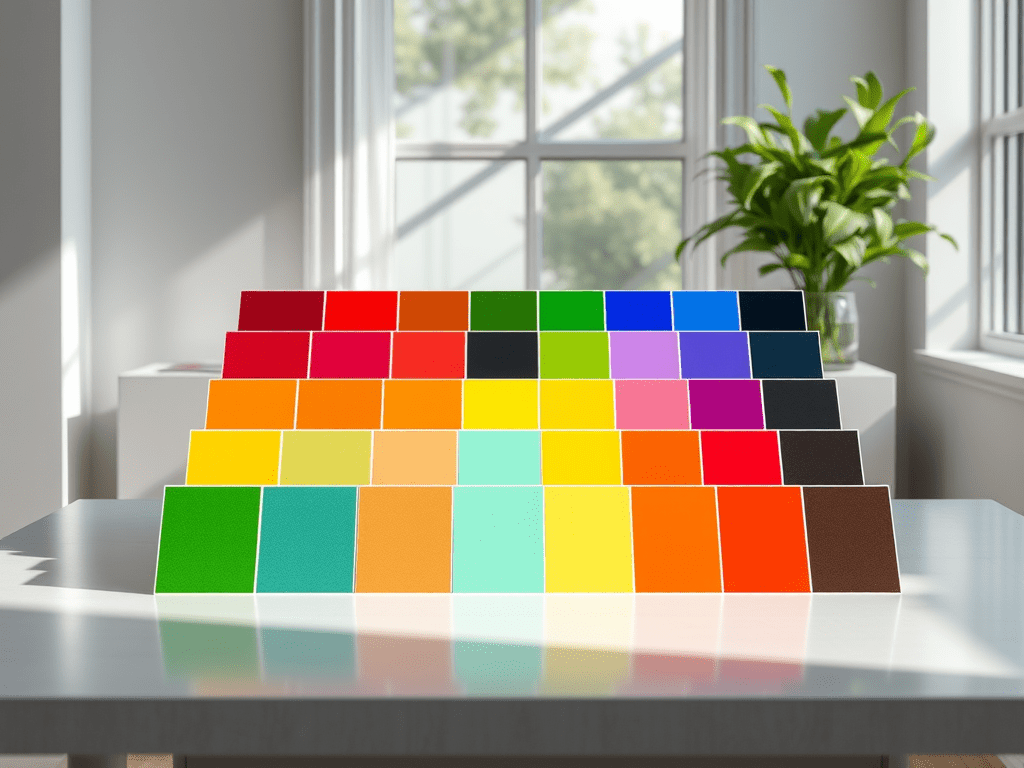
TM30 (IES-developed) and CQS (NIST-standardized) assess LED strip color rendering using 15 Munsell samples. TM30 measures Ra fidelity (0-100), while CQS employs eye-sensitive weighted averaging. Both metrics complementarily evaluate spectral accuracy.
-
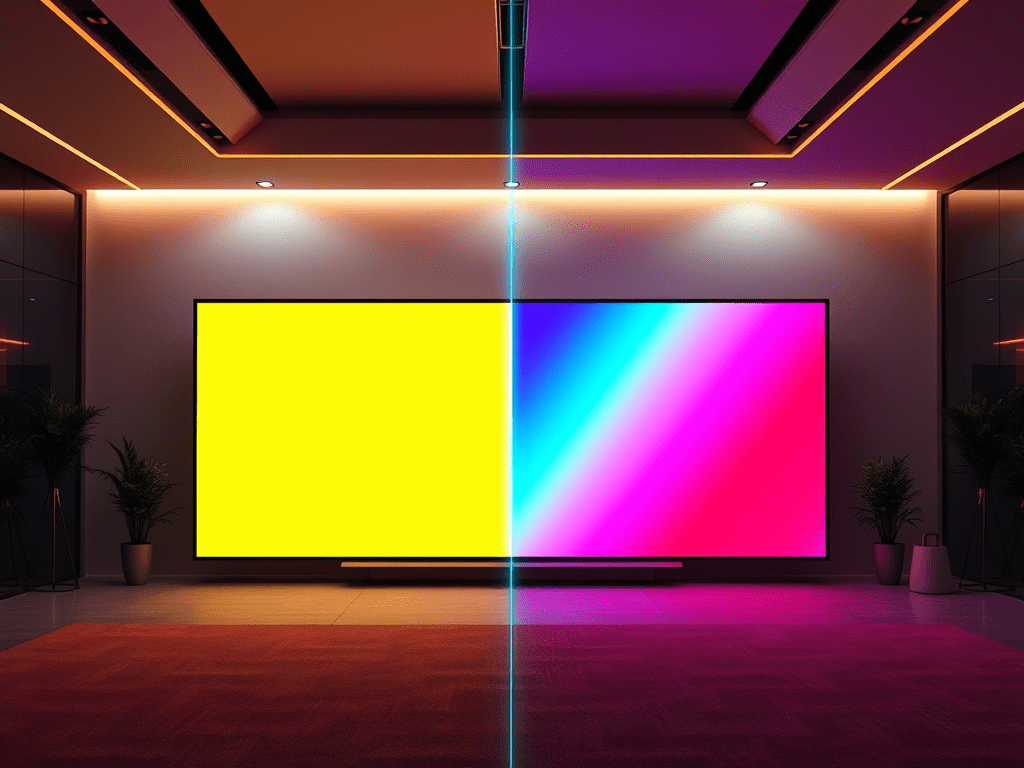
KSF phosphor LEDs are transforming display technology with superior color accuracy and efficiency compared to conventional LEDs. They offer 95% NTSC coverage, increased luminous efficacy, and reduced reliance on rare-earth materials. However, challenges like thermal quenching and moisture sensitivity hinder widespread adoption. Decision-making frameworks help users choose between KSF and conventional options.
-
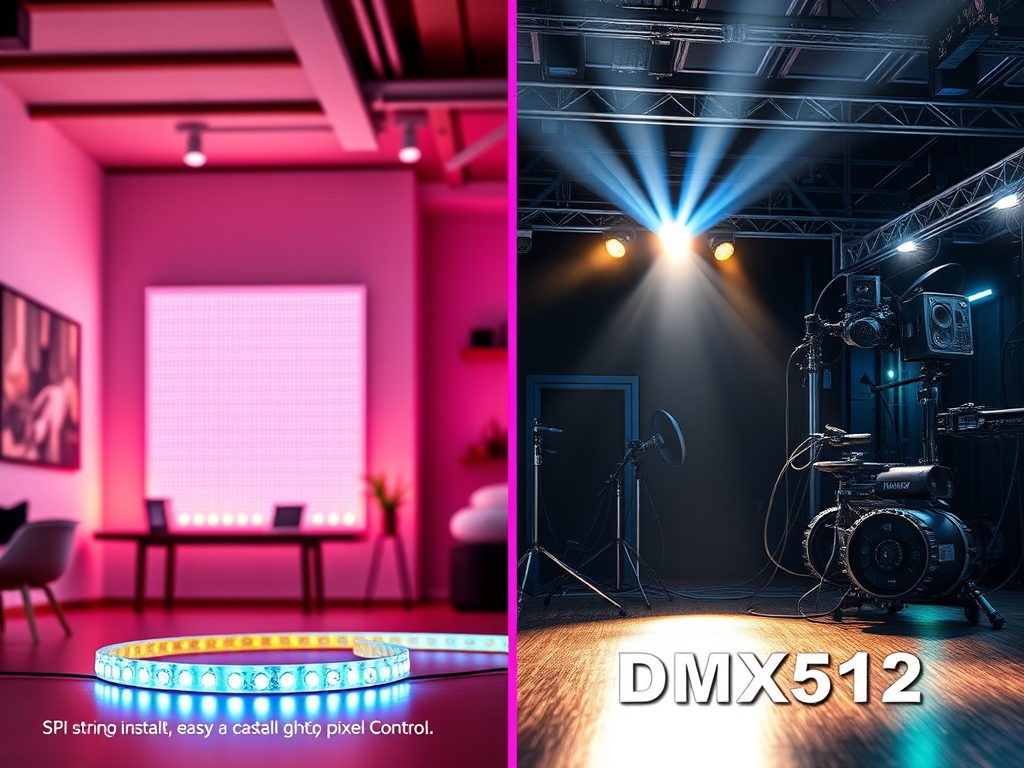
The working principle and advantages and disadvantages of SPI and DMX strips are as follows: How it works: Advantages and disadvantages analysis: Summary:
-
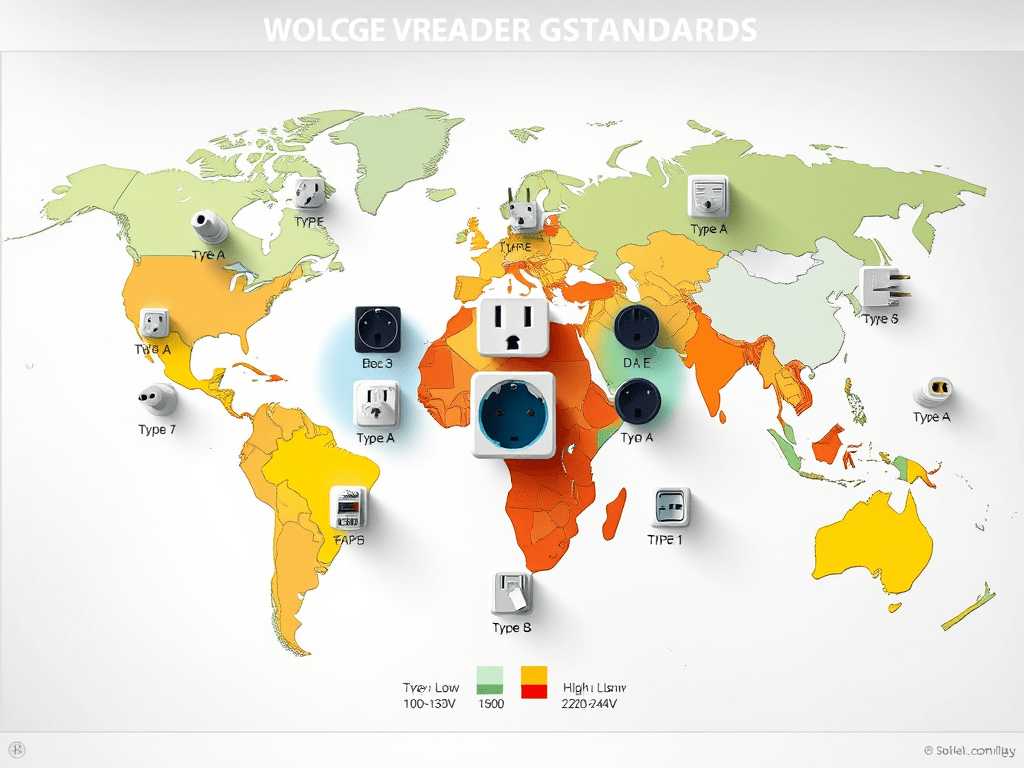
Voltage and plug styles in various countries around the world voltage and plug styles in each country vary from country to country and are mainly divided into the next categories: 1. Voltage standard Second, the plug style There are various types of plugs around the world, which are mainly divided into the following types: Power…
 INFINILUX